Iași pogrom
The Most Precious of CargoesBackground and Recollection
The Iași pogrom is introduced through conversation rather than a separate, fully staged scene. In a wagon carrying deportees, a passenger asks whether the father is Romanian. Their exchange turns to statelessness: the father’s fellow traveler describes himself as a former Romanian who is now stateless, and notes that there are many people like him in the wagon. When someone mentions Iași, the place prompts a recollection of mass violence by rail. The account comes from within the endangered group, making the past event an immediate warning rather than distant background.
The Train as an Instrument of Killing
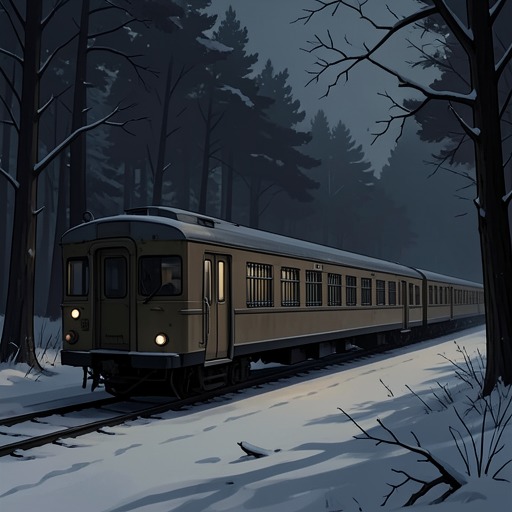
The fellow traveler says that thousands of Jews were loaded onto a train at Iași. The train kept rolling while people aboard died one by one from heatstroke, thirst, and hunger. At every station where it stopped, bodies were unloaded; the survivors remained aboard as the train moved on. Sometimes it reversed and traveled back the way it had come. In this telling, the journey has no destination: its purpose is to stop and remove the dead. The reported sequence is starkly systematic—movement, death, unloading, movement again—and denies the usual promise that a train carries its passengers toward a place of arrival.
Echoes in the Deportation Wagon
The listener resists the comparison. The train they are on is moving rather than stopping, he observes, and the wagon is cold rather than hot. The reply insists that it is still like Iași. Their disagreement does not erase the differences; it shows how the remembered event has altered the meaning of the present journey. The passengers are no longer considering transport as a neutral passage between places. The account has given them reason to fear what a train can do to the people confined inside it, even when the circumstances are not identical.
Narrative and Thematic Significance
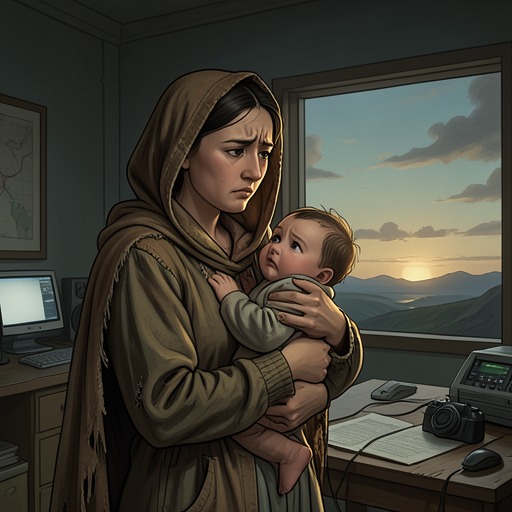
The recollection also complicates the novel’s recurring language of divine protection. The Poor Woodcutter’s Wife appeals to the powers of heaven and earth for a child; later, she describes the baby entrusted to her as a gift of the train god. But after the forest man’s death, she no longer trusts the gods of the train. She credits the child’s survival instead to the hand that dropped her into the snow and to the armed man who sheltered them. Set against this movement from prayer toward recognition of human action, the Iași account gives the train’s supposed sacred power a darker countermeaning: the railway can carry not providence but deliberate, organized death.